
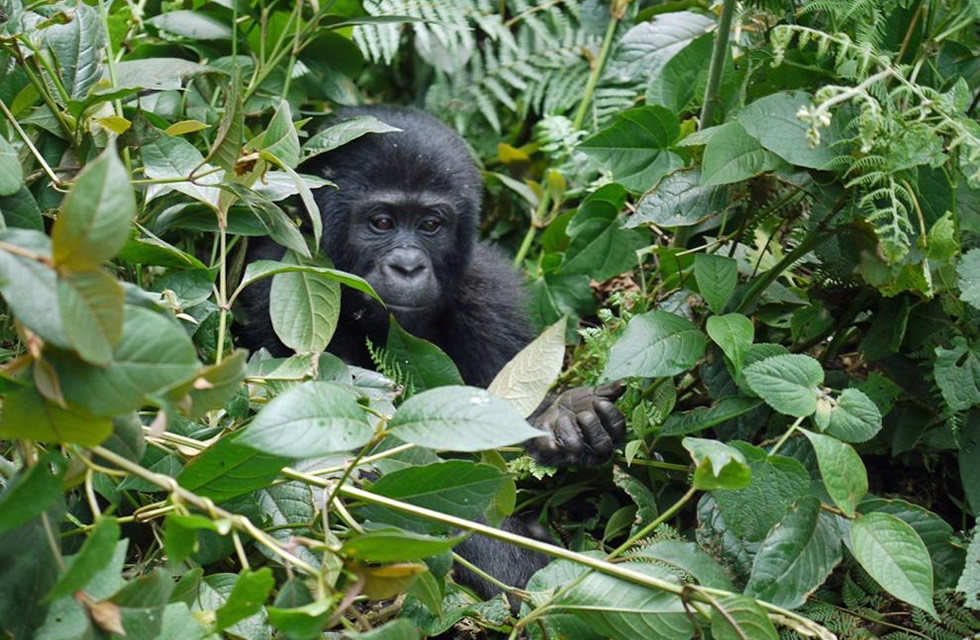
The Pearl of Africa has a pleasant warm and tropical climate with significant seasonal variations, making it a perfect destination to visit all year round. Here you find rainy months that enable respective safari activities and experiences somewhat harder to undertake, all these factors ought to be considered when planning a safari to Uganda.
The only 2 destinations in Uganda where mountain gorillas can be trekked are Bwindi Impenetrable National Park and Mgahinga Gorilla National Park, both located in the southwestern corner of Uganda. In Rwanda, the sole habitat for mountain gorillas is Volcanoes National Park in northeastern province of country.
In both countries, Mountain gorillas are trekked all year round, but understanding the perfect season and time to go for gorilla trekking tours is highly recommended as each season comes with its advantages and disadvantages.
Uganda is one country that boasts a very rich climate made up of two distinctive rainy seasons, the short rains between October and November and longer rains from mid-March – May. The other months are dry although the recent variations in weather patterns make it really hard to forecast the seasons.
Wondering when is the best time to visit Uganda for a gorilla tour? Gorilla trekking is becoming Uganda’s most sought after safari adventure and it takes place all year long! The gorilla destinations, Bwindi impenetrable and Mgahinga national park however, are characterized by varied weather patterns because of their tropical climate. Daytime temperatures here range between 23 – 26 degrees Celsius with a significant drop during night time to approximately 11 degrees Celsius.
Given the fact that these are typical tropical rain forests, rainfall can be expected to happen anytime so; there be no definite dry season in Uganda’s gorilla parks! June and July months receive relatively the lowest rainfall amounts throughout the year, as well as periods between December and February. Whereas heaviest rains happen in March – May months and October to November. For most travelers therefore, they find drier months of June, July and August and mid-December – February as the best seasons to visit Bwindi and Mgahinga gorilla national parks.
Visiting Uganda during this season avails endless chances of “hustle-free” gorilla trekking experiences since the forests are quite penetrate with less undergrowth, and the jungles are less slippery as opposed to wet seasons.
However, during the wetter months of March – May and October – November, it is cheaper to make a gorilla safari, since most tour operators offer discounted tour packages, accommodation facilities offer discounts and because of this, there is an increasing trend of travelers making safari during this “low season”!
A comparison of these two periods will definitely aid travelers to get deeper understanding and make an informed decisions to enable them make successful gorilla trekking tours.
Why track gorillas during dry season – June to August and December to February?
- This season is characterized by sunny days.
- Mountain gorillas are easier to track, trails are drier and easier to navigate and penetrate.
- Perfect opportunities for gorilla photography and videography.
- Spectacular views of the entire forest as well as gorillas.
Why track gorillas in Uganda during Wet Seasons? – March to May and September to November:
- Chances of viewing migratory birds, especially in May and November.
- On the other hand, rainy season makes accessibility hard, closed roads by falling tree branches, hiking trails become slick, etc.
- It might drizzle for days within the forest.
- It tends to be misty and wet making navigation so difficult.
In summary therefore, no matter the season, Gorilla trekking in Uganda is a magical experience that travelers can enjoy all year round.

