
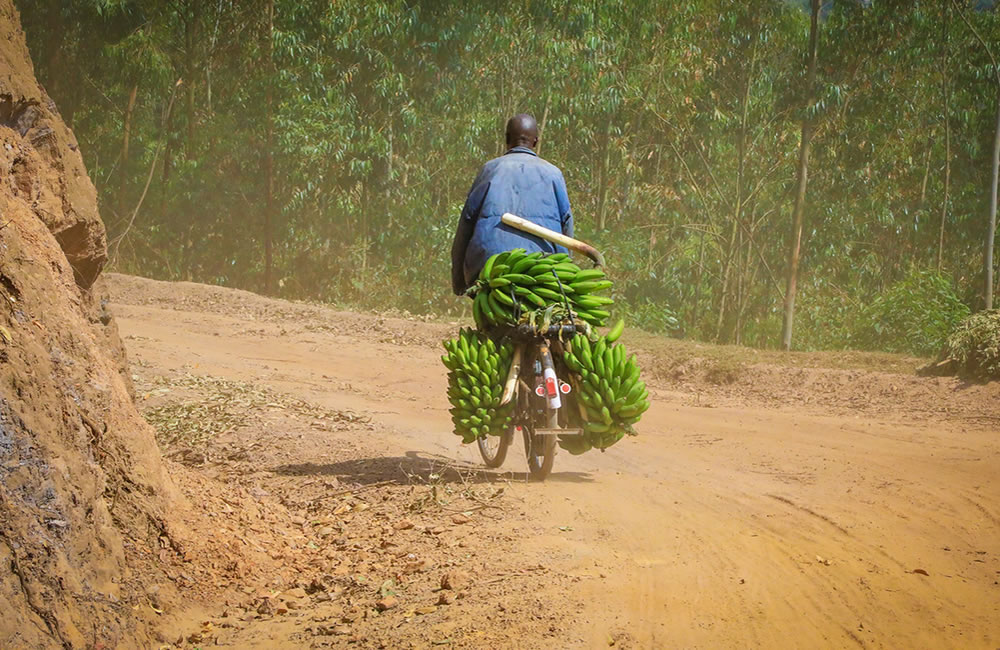
Gorilla trekking, Uganda’s flagship tourism attraction, is facing a critical challenge—not from poachers or climate change, but from the very infrastructure meant to support it. The poor state of roads leading to Bwindi Impenetrable Forest and Mgahinga Gorilla National Park is becoming a major concern for tourists, tour operators, and local communities.
Tourists Frustrated by Poor Roads
The deplorable condition of roads to these iconic parks is deterring tourists and jeopardizing the survival of Uganda’s most lucrative tourism product.
Herbert Byaruhanga, former president of the Uganda Tourism Association, highlights the gravity of the situation: “Tourists complain about the terrible conditions and tell tour operators not to take them back. Many have given up on gorilla trekking, especially during the rainy season, despite repeated government promises to upgrade these roads.”
The risks posed by poor road infrastructure go beyond inconvenience. Geoffrey Baluku, a prominent tourism stakeholder, paints a grim picture of the dangers tourists face.
“When it rains, some tourists are too scared to continue, while others find themselves in accidents. The roads are in a pathetic state. The government must act now and allocate road funds directly to the Ministry of Tourism,” Baluku urges.
Key routes in need of urgent improvement include those from Kisoro to Nkuringo, Rushaga, Buhizya, and Buhoma—the core areas for gorilla trekking activities. According to Baluku, funds earmarked for tourism roads are being misdirected, forcing private players and local communities to shoulder the burden.
The Economic Importance of Gorilla Trekking
Gorilla trekking is more than a wildlife attraction; it is Uganda’s crown jewel in tourism, contributing 70% of the sector’s total revenue. Trekking permits, which cost up to $800 each, not only boost Uganda’s GDP—tourism accounts for 7.7%—but also support conservation and community development.
In 2019, over 50,000 visitors participated in gorilla trekking, generating $34 million in revenue. This income directly benefits local communities around Bwindi and Mgahinga, funding education, healthcare, and sustainable livelihoods.
Conservation Efforts at Risk
The poor state of infrastructure threatens more than just the tourism economy. Gorillas play a crucial role in maintaining forest ecosystems by dispersing seeds. Neglecting the roads that lead to their habitats jeopardizes both conservation efforts and Uganda’s environmental sustainability.
Tourists who invest heavily in permits, accommodation, and local crafts are increasingly frustrated by the hazardous and inaccessible roads, especially in southern Bwindi. This frustration could lead to a decline in visitor numbers, impacting the entire ecosystem dependent on gorilla tourism.
Tourism stakeholders believe that improving road networks would enhance visitor experiences and make the sector more resilient.
“It’s about priorities,” Baluku asserts. “If the government allocated funds directly to the Ministry of Tourism and worked with the Uganda National Roads Authority (UNRA), these issues could be resolved. Right now, we’re reaping where we didn’t sow, and it’s unsustainable.”
Uganda’s reputation as a premier gorilla trekking destination is at stake. For a sector that sustains thousands of livelihoods and fuels conservation initiatives, poor roads are more than just a nuisance—they represent a missed opportunity to realize Uganda’s full potential.
The government must take urgent steps to upgrade roads to Bwindi and Mgahinga. This investment will not only secure the future of gorilla trekking but also preserve Uganda’s position as a leading destination for ecotourism and wildlife conservation.

